
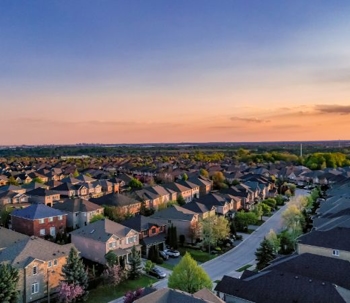
Fairfield transportation corridors do more than move people and goods—they shape Fairfield County’s land use, real estate values, and the future of entire communities. For property owners, businesses, and developers, the arrival or expansion of a major road or rail line can quickly change what’s possible for a parcel of land. At Chipman Mazzucco Emerson LLC, we see how shifts in infrastructure and regulation open new opportunities, create unique risks, and require careful strategic planning. With decades of experience in supporting clients through Fairfield’s evolving landscape, we help you make informed decisions, adapt to regulatory changes, and position your property or business for long-term success.
Want to understand how Fairfield transportation corridors impact property value and development? Get actionable insights from our firm. Call (203) 902-4882 now or reach out online!
How Do Transportation Corridors Drive Land Use & Development in Fairfield County?
Transportation corridors such as I-95, the Merritt Parkway, Route 7, and Metro-North’s rail lines serve as powerful engines for land use transformation in Fairfield County. These major arteries influence everything from residential growth patterns to commercial investment, often dictating which areas attract new businesses, higher-density housing, or revitalization projects. Access to a major corridor frequently increases the appeal of both commercial and residential properties, encouraging local governments to revisit zoning codes and infrastructure planning to keep up with demand.
Corridor development can act as a double-edged sword. It creates desirable locations for office parks, multifamily housing, and retail while also bringing questions around traffic flow, environmental sustainability, and neighborhood character. For example, improvements along the Danbury Branch rail line have led to new transit-oriented developments in nearby towns, increasing interest in mixed-use zoning. When these changes happen, property owners often face a rush of interest, alongside scrutiny from planners and increased public involvement in local government decisions.
Understanding the interplay between corridor placement, zoning regulations, and local land use goals is critical. Proactive owners track municipal master plans, stay aware of transportation studies, and engage with planning boards to influence outcomes that align with their interests. Strategic decision-making up front—supported by clear legal guidance—can position landowners to capitalize on opportunity and avoid costly missteps.
Which Upcoming Fairfield Transportation Projects Could Change Local Land Use?
Keeping up with proposed and ongoing transportation projects ensures property owners and investors don’t miss critical changes affecting land use. Current infrastructure initiatives like I-95 widening, interchange improvements, and upgrades to the Merritt Parkway stand to realign access and development priorities in nearby areas. Completion of projects like the Route 7 corridor extension is already fostering new retail and light industrial projects, as towns adjust zoning and incentivize redevelopment near these transportation improvements.
Transit investments should not be overlooked. Ongoing modernization efforts for Metro-North’s New Haven and Danbury branches continue to drive up demand for properties close to train stations. These changes are prompting Fairfield, Westport, and Norwalk to study transit-oriented development, prioritize mixed-use zoning near stations, and look for ways to increase housing and business density without sacrificing quality of life. Bus rapid transit proposals and expanded bike networks, especially between Bridgeport and Danbury, are drawing attention for their potential to boost walkability and support alternative forms of development.
Staying ahead of these projects means tracking planning commission meetings, regional master plans, and public agency announcements. Each project milestone—from environmental review to approval—carries implications for rezoning, property values, and development permitting. At Chipman Mazzucco Emerson LLC, we monitor relevant project pipelines and connect clients with the most timely and actionable information, so you can respond strategically to new opportunities or challenges.
What Legal & Regulatory Hurdles Affect Properties Near Transportation Corridors?
Development near major corridors demands a careful understanding of the regulatory landscape. Zoning and land use regulations in Fairfield County serve as the first set of hurdles, but corridor-adjacent projects often require navigating special permit processes, overlay districts, and enhanced environmental reviews. For instance, properties along the Merritt Parkway may face unique historic preservation standards, while parcels bordering I-95 could encounter additional stormwater or traffic impact requirements. Anticipating these factors early can save months in the permitting process.
Another critical consideration is the possibility of eminent domain. The Connecticut Department of Transportation has the legal authority to acquire privately held land for transportation projects, but property owners do have rights during this process. Understanding timelines, notice requirements, and valuation methods helps ensure fair compensation and allows you to make informed decisions about negotiations or legal challenges. At Chipman Mazzucco Emerson LLC, we guide clients on the best approach when corridor expansions require property donations, access agreements, or negotiations for restoration post-construction.
Additionally, legal matters around easements, signage restrictions, and access points often complicate projects near transportation corridors. Municipalities may amend comprehensive plans, restrict density, or impose design standards that further impact what you can do with your property. By working with legal professionals who keep pace with Fairfield’s regulatory scene, you set yourself up for compliance and success from the earliest planning stages.
How Do Fairfield Transportation Corridor Projects Impact Property Values and Market Trends?
Major transportation improvements have a measurable impact on property values and development trends across Fairfield County. Enhanced corridor access typically raises the value of adjacent commercial and residential properties due to greater visibility, increased customer traffic, and shorter commute times. Market studies consistently show a premium for homes within walking distance of transit, as well as increased lease rates for businesses with easy highway or rail access. For example, the Fairfield County Association of Realtors has reported consistent demand for homes near Metro-North lines, where improved service and station upgrades have supported neighborhood growth.
However, not all properties benefit equally. Corridors that bring heavy traffic, noise, or physical barriers can negatively affect nearby parcels, especially homes and businesses sensitive to these changes. Widening of highways may result in reduced property size or increased setbacks, and high-traffic corridors can limit access, parking, and visibility for existing businesses. Savvy investors weigh these risks carefully, considering both potential appreciation and long-term impacts on usability and marketability.
Real estate trends adapt quickly to transportation upgrades, especially as local governments adopt infill and higher-density zoning to manage growth around new transport nodes. Smart planning, tied to ongoing market research and experienced legal insight, allows property owners to seize opportunities, anticipate regulatory changes, and stay competitive as Fairfield continues to grow.
What Are the Opportunities & Risks of Developing Near Transit Corridors?
Proximity to new or upgraded transit routes creates unique development possibilities—but also presents significant risks. On the opportunity side, higher land desirability and increased eligibility for state or local development incentives can drive profitability. Transit-oriented development districts often provide flexibility in zoning or parking requirements, aiding developers in creating mixed-use or high-density projects that maximize value. Property owners may be able to secure public-private partnerships, capitalizing on infrastructure investments to attract new tenants or uses to previously overlooked parcels.
Challenges are just as real. Development near major corridors brings strict environmental review and additional permitting requirements, especially where projects may impact wetlands, air quality, or community character. Neighborhood opposition may lead to project delays, increased costs, or changes to site plans. Furthermore, unforeseen issues like future expansion of the corridor, noise abatement mandates, or evolving access regulations can undermine business plans if not addressed upfront.
To fully assess investment potential, consider the following steps:
- Conduct a detailed site analysis to map current and future transit corridor plans in your area
- Review local zoning requirements, overlay districts, and any pending amendments
- Consult with planners and legal counsel about timelines for regulatory approvals
- Prepare contingency plans for delays, environmental compliance, or changes in public sentiment
At Chipman Mazzucco Emerson LLC, we provide tailored strategies to help clients weigh potential, manage risk, and adapt their projects as corridor-related developments unfold across Fairfield County.
How Can Fairfield County Property Owners Navigate Corridor Expansions Proactively?
Property owners near proposed corridor expansions can shape project outcomes when they become engaged early in the process. Developers, business owners, and residents have the right to participate in public meetings, submit comments during environmental reviews, and advocate for changes in project design to protect their interests. These engagements influence infrastructure alignments, mitigation measures, and, in some cases, compensation or restoration efforts affecting private property.
Collaboration with legal counsel makes this engagement more effective. Attorneys who regularly manage land use and transportation matters in Fairfield County can help you interpret technical studies, draft persuasive comments, or appear before decision-makers on your behalf. Legal representation also proves essential when corridor expansions affect your access, business continuity, or long-term property value—especially if public entities pursue formal land acquisition or right-of-way takings.
It’s also wise to plan for operational disruptions. Property owners can use legal agreements to ensure uninterrupted access, negotiate terms for temporary use, or clarify restoration timelines after construction. If government action reaches the point of formal eminent domain, early legal support creates leverage for appropriate compensation and ensures every procedural protection is recognized. At Chipman Mazzucco Emerson LLC, we stand beside clients through every step, prioritizing informed, timely, and strategic involvement in Fairfield’s corridor projects.
How Do Environmental Regulations Affect Land Use Around Major Transport Routes?
Environmental review and compliance shape nearly every development near Fairfield County’s transportation corridors. Projects that touch protected habitats, floodplains, or regulated wetlands trigger in-depth impact studies and strict permitting requirements. Local boards enforce the Connecticut Inland Wetlands and Watercourses Act, the Clean Water Act, and other statutes that directly influence what is possible for corridor-adjacent sites. Delays or litigation can occur if required studies are incomplete or mitigation measures aren’t specified clearly.
Developers must anticipate detailed submissions: site plans often require drainage management, air quality projections, biodiversity conservation proposals, and ongoing monitoring once development is complete. Beyond formal legal mandates, many towns also offer incentives for sustainable building and green infrastructure, such as natural buffer zones or bioswales to improve stormwater management. These requirements can increase project costs but frequently lead to projects with higher long-term value and improved community support.
Strategic landowners align project planning with environmental best practices from the start. By working within the evolving regulatory framework and prioritizing environmentally sensitive designs, property owners not only expedite approvals but also support the broader goals of resilience and sustainability that are shaping future land use policy in Fairfield County.
What Long-Term Development Trends Should Fairfield Corridor Stakeholders Watch?
Land use around Fairfield’s key corridors continues to evolve in step with investment in roads and transit. Infill development and the creation of mixed-use business districts—especially near improved rail and highway access—are driving both economic growth and demographic change. Towns along upgraded segments of the Danbury Branch and I-95 are revising zoning codes to encourage compact, walkable neighborhoods that serve both existing residents and newcomers.
Ongoing regional planning supports new commercial and residential clusters near stations and interchanges, offering incentives for affordable housing, flexible retail, and live-work developments. The trend towards transit-oriented development reflects shifting population needs, an appetite for reduced car dependence, and demands for more sustainable, interconnected communities. These forces are likely to shape land acquisition strategies, site planning, and even dispute resolution for years to come.
Looking ahead, long-term planning will prioritize climate resilience, flood mitigation, and resource protection. Projects that integrate green technology, energy-efficient design, and open space preservation stand to benefit most from local support and regulatory streamlining. Our team at Chipman Mazzucco Emerson LLC guides clients through policy changes, helping them anticipate how tomorrow’s transportation investments and planning priorities will create new land use opportunities today.
Who Guides Fairfield Property Owners Through Transportation Corridor Complexity?
Navigating land use decisions near transportation corridors in Fairfield requires a clear understanding of evolving regulations, project timelines, stakeholder concerns, and market dynamics. Legal guidance empowers clients to make sound decisions at every stage, from initial property assessment to project completion or dispute resolution. Consulting professionals attuned to the region’s regulatory and development climate offer an invaluable perspective—helping you avoid costly surprises and position your real estate for future gains.
At Chipman Mazzucco Emerson LLC, we provide responsive communication, personalized legal strategies, and a collaborative approach built on decades of service in Connecticut. We partner with clients from all backgrounds to identify risks, seize opportunities, and pursue outcomes that fit your goals and the county’s changing land use landscape. Our team’s up-to-date knowledge and multi-generational experience mean we can adapt strategies to evolving requirements and challenges.
If you want to understand how current or planned transportation corridors could impact your property or business, reach out to us today. We offer clear answers, trustworthy guidance, and the kind of ongoing support that builds lasting confidence in your legal decisions. Call (203) 902-4882 to move ahead with your land use goals in Fairfield County.