
Medicaid Planning Attorney in Fairfield County
Planning For Care Costs With Confidence
Paying for long-term care in Fairfield County can feel overwhelming. Nursing home or assisted living bills can use savings quickly, and the rules for Connecticut Medicaid are complex. If you are worried about how a parent or spouse will afford care, you are not alone.
At Chipman Mazzucco Emerson LLC, we help families understand their options and make thoughtful choices about Medicaid planning. Our Medicaid planning attorneys work with clients to align care needs, financial realities, and family goals, so you are not trying to sort through confusing requirements on your own. With offices in Danbury, Southbury, and Westport, we serve families across this part of Connecticut.
Our firm brings more than 40 years of combined experience in estate planning, probate, real estate, and elder law to every Medicaid planning matter. We focus on clear explanations, practical guidance, and steady support, so you can move forward with more clarity and less stress.
Concerned about how long-term care could affect your savings or family plans? Work with a Fairfield County Medicaid planning attorney who can help you understand your options and prepare with confidence. Call (203) 902-4882 or contact us online today.
Understanding Medicaid Planning In Connecticut
Medicaid planning is the process of arranging your finances and legal documents with an eye on future or current eligibility for Medicaid, which can help pay for long-term care. In Connecticut, rules about income, assets, and transfers can be detailed, and planning decisions often have long-term effects. Thoughtful planning aims to balance eligibility requirements with the desire to protect a spouse and preserve some assets when possible.
One concept that often causes anxiety is the Medicaid look-back period. In many situations, Connecticut reviews certain transfers of assets made in the years before a Medicaid application to see if they were gifts that might affect eligibility. Families sometimes try to move assets on their own and later learn that some choices created additional waiting periods or penalties. When we work with you, we discuss how the look-back rules may apply to your particular situation and what options may still be available.
Planning can be proactive or done in response to a crisis. Proactive planning might begin when someone is still healthy or only needs limited help at home. Crisis planning may start after a hospitalization, when a rehabilitation stay is turning into a permanent nursing home placement. In both settings, our role is to explain realistic options within Connecticut law and help you weigh tradeoffs among care, family needs, and financial impact.
Many Fairfield County families also worry about whether planning is proper from an ethical standpoint. Our work is focused on lawful strategies that comply with applicable requirements. We discuss both what the rules allow and how particular approaches may feel for your family, so you can reach a decision that fits your values as well as your finances.
Steps To Take When Care Is Needed
When a loved one’s health changes, it can be difficult to know what to do first. Some families in Fairfield County reach out to us while they are still comparing assisted living options, while others call after a move to a nursing facility. In both situations, clear steps can help bring order to a stressful time.
We usually begin by learning the basics of your family’s situation. This includes current health needs, where your loved one is receiving care, approximate monthly costs, and what insurance is already in place. We also review the broad outline of assets and income, including the home, retirement accounts, and any life insurance or investment accounts. Our aim is not to judge past decisions, but to understand where things stand today.
Once we have that picture, we talk through your priorities. Some families are focused on making sure a healthy spouse can remain in the home. Others are especially concerned about keeping some inheritance for children or grandchildren. Many are simply relieved to know that there may be ways to reduce the financial burden of long-term care without ignoring legal requirements.
As we discuss next steps, we explain how existing documents, such as wills, trusts, and medical powers of attorney, may support or conflict with Medicaid-related goals. We also outline what additional information or records will be helpful before we provide more detailed planning recommendations.
Practical Planning Checklist
To make your first meeting more productive, it can help to gather certain information ahead of time. You do not need every detail in place before you call us. However, having a basic set of documents and figures often makes the discussion with a Fairfield County Medicaid planning lawyer clearer and more reassuring.
Helpful items to gather before or soon after our first meeting include:
- Recent bank, investment, and retirement account statements for the person who needs care and any spouse.
- Information about the family home, such as the deed and current mortgage balance, if applicable.
- Existing estate planning documents, such as wills, trusts, and powers of attorney.
- Details about current and expected care costs, including invoices from facilities in Fairfield County or surrounding areas.
- Any prior gifts or transfers of property that occurred in the last several years.
If you cannot find every document, we can still begin the conversation. During our work together, we help you identify which records are important and how to obtain them when needed.
Why Fairfield County Families Turn To Us
Medicaid planning rarely sits in its own box. It touches your will, trusts, powers of attorney, real estate, retirement accounts, and sometimes a family business. One reason Fairfield County families choose us is that we handle all of these connected areas in one firm, which helps keep your overall plan consistent.
Our Medicaid planning attorneys in Fairfield County span multiple generations, which means clients benefit from both long-term judgment and current knowledge of changing laws in Connecticut. We stay current on developments that affect seniors and caregivers, and we adapt strategies as rules and circumstances change. Our recognition by Best Law Firms, ranked by Best Lawyers, reflects our commitment to high-quality legal service.
We approach every matter as a partnership. That starts with listening carefully to your concerns, whether you are worried about a spouse at home, fairness among children, or the future of the family home. From there, we explain potential paths in everyday language, so you understand not only what a plan does, but why it may suit your situation.
Clients also tell us they value our responsiveness. Questions do not always arise during business hours, and decisions often feel urgent when a loved one’s health changes. Our goal is to return calls promptly, update you as your matter progresses, and give you a clear point of contact within our team.
How Our Attorneys Help Protect Your Plans
Medicaid planning is not only about numbers on a form. It is about protecting a lifetime of work, caring for a spouse or parent, and trying to avoid surprises for the next generation. When you work with a Medicaid planning lawyer Fairfield County residents trust, you should expect both legal skill and careful listening to your goals.
Our attorneys review your overall planning picture, including your will, any trusts you have created, beneficiary designations, and the way real estate is titled. We then discuss how those pieces interact with Medicaid rules. For example, ownership of a family home can affect eligibility differently depending on who lives there and how the property is held. Our goal is to suggest approaches that support both eligibility planning and long-term estate goals when possible.
Because our firm also works in estate planning, probate, real estate, and elder law, we strive to help you avoid unintended effects that can occur when planning is narrowly focused. A strategy that seems effective in the short term might create problems later, such as tax consequences or confusion for heirs. By looking at the whole picture, we work to minimize those risks.
Our approach is highly personalized. Some clients choose to adjust powers of attorney, so a trusted person has clear authority to act if health declines further, and some also address incapacity planning to prepare for that possibility. Others decide to change how certain assets are held or to update beneficiary designations. We explain the potential impact of each option in straightforward language and outline timelines, so you can move at a pace that feels manageable.
Throughout the process, we emphasize communication. When rules or personal circumstances change, we encourage clients to contact us, so we can revisit prior planning. Our intention is to build long-term relationships with Fairfield County families and to remain a resource as needs evolve. When you work with a Medicaid planning lawyer Fairfield County families rely on, ongoing guidance can be just as important as the initial plan.
Frequently Asked Questions
Will I have to sell my home to get Medicaid?
Not every applicant has to sell a home to qualify for Medicaid. The rules depend on who lives in the property, how it is titled, and overall finances. We review your specific situation, explain how Connecticut treats a primary residence, and discuss options that may help protect housing stability.
When should my family start Medicaid planning?
Many families benefit from starting Medicaid planning before a crisis, while a loved one is still living at home or receiving limited help. That said, we also assist families after a hospitalization or nursing home admission. The right timing depends on health, assets, and your goals, which we discuss together.
Can you still help if my spouse is already in a nursing home?
Yes, planning can still be useful when a spouse is already in a nursing home. We focus on understanding current costs, available income, and the needs of the spouse who remains at home. From there, we explain which options may still be available within Connecticut Medicaid rules.
How does Medicaid planning fit with my current will and trust?
Medicaid planning and traditional estate planning are closely connected. Existing wills and trusts may support your goals or may need adjustments. We review your documents, explain how they interact with Medicaid eligibility, and suggest updates that can help align your long-term wishes with present realities.
What can I expect at the first meeting with your firm?
At an initial meeting, we usually start by listening to your concerns and gathering background information about health, care costs, and finances. We then outline how Connecticut Medicaid works in your context and discuss possible paths. You can expect clear explanations, time for questions, and no pressure to decide on the spot.
Talk With Our Team About Medicaid Planning
Planning for long-term care is not simple, but you do not have to navigate it by yourself. Whether you are just beginning to think about future care or already facing significant monthly bills, our Medicaid planning attorneys in Fairfield County are here to provide clear guidance and steady support. We help families understand their choices and work to build plans that fit their circumstances.
At Chipman Mazzucco Emerson LLC, we combine decades of experience, a broad estate and elder law practice, and local presence in Danbury, Southbury, and Westport. When you contact us, we explain what to expect at each stage, who will be involved, and how we communicate. Our goal is to make the process as manageable and understandable as possible, so you can focus on caring for your loved one.
Ready to plan for future care costs with more confidence? Our Fairfield County Medicaid planning lawyer at Chipman Mazzucco Emerson LLC helps families navigate Medicaid planning with practical guidance and steady support. Call (203) 902-4882 or contact us online to get started.


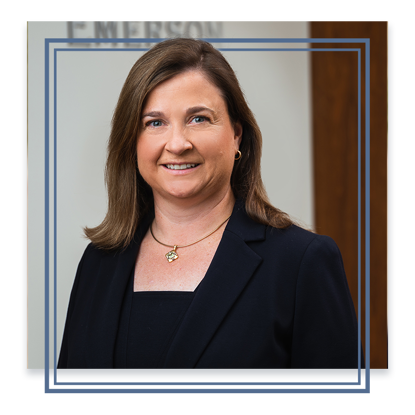
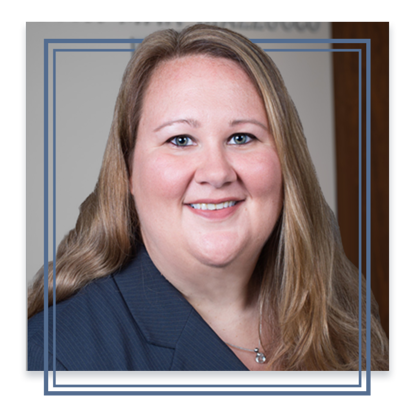
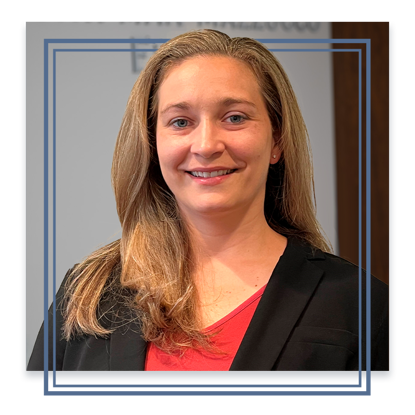
Meet Our Estate Planning Attorneys
Helping You Secure a Better Future for Your Family





Delivering High-Quality Legal Services
-
Tailored Legal SolutionsWe strive to find the optimal solution for each unique situation. We are well aware of conventional approaches, but we also think outside the box.
-
Highly Competent Legal Guidance
We will analyze your situation thoughtfully and investigate the relevant law thoroughly to devise a creative solution, customized for your situation.
-
Responsive and Accessible
We pride ourselves on responding promptly to every inquiry as we recognize that your time is valuable and that your needs are immediate.
-
Deep Bench of AttorneysAt our firm, our attorneys have over 100 years of combined experience, each able to bring their unique knowledge and skillset to your case.