
Trust Administration Attorney in Fairfield County
Legal Guidance for Trustees & Beneficiaries in Fairfield County & Danbury
Serving as a trustee means accepting potential personal liability for decisions made on behalf of the trust. Missed deadlines, improper distributions, or inadequate recordkeeping can expose you to claims from beneficiaries that may continue after administration ends. At Chipman Mazzucco Emerson LLC, we guide trustees and beneficiaries through Connecticut’s trust administration requirements from our offices in Danbury, Southbury, and Westport, handling both the legal compliance steps and the related tax filings in one place.
Estate and trust administration is a core part of our practice, alongside estate planning, business transactions, and litigation. We take time to understand each client’s specific circumstances before recommending a course of action.
If you’re managing a trust in Fairfield County or have questions about your duties as a trustee or successor trustee, call our team at (203) 902-4882.
What a Trustee Is Actually Required to Do
Trust administration is the process of managing and distributing trust assets according to the trust document’s terms. It sounds straightforward, but the responsibilities are substantial. A trustee must identify and collect the trust’s assets, manage and invest them prudently, pay the trust’s debts and taxes, maintain accurate records, and ultimately distribute property to beneficiaries on the schedule the trust requires.
One common misconception: a trustee can hire attorneys and accountants to assist, but can’t delegate the underlying decision-making. The judgment calls remain yours. Trusts are also treated as separate tax entities, which means fiduciary income tax returns must be filed at both the federal and Connecticut levels.
Trust administration differs meaningfully from probate-based estate administration. Most inter vivos trusts created and funded during the grantor’s lifetime proceed without direct court supervision. Testamentary trusts created under a will, however, remain subject to certain probate court oversight, and larger trust terminations may still require court approval.
Connecticut Trustee Obligations Under the Uniform Trust Code
Connecticut adopted the Uniform Trust Code effective January 1, 2020, establishing specific duties and deadlines that trustees must meet. Understanding these requirements is an important step in reducing personal liability risk.
Key obligations include:
- 60-Day Notice to Qualified Beneficiaries: Within 60 days of accepting a trusteeship, or within 60 days of a trust becoming irrevocable, a trustee must notify qualified beneficiaries of the trust’s existence, the trustee’s identity and contact information, and each beneficiary’s right to request a copy of the trust instrument and a trustee’s report.
- Annual Reporting Duty: Unless waived, trustees must provide qualified beneficiaries with an annual report covering the trust’s assets, receipts, and disbursements.
- Fiduciary Duties of Loyalty and Impartiality: Trustees must act in the interests of all beneficiaries, avoid favoring one class over another, and invest trust assets prudently.
- Claim Limitation Periods: Beneficiaries generally have three years from certain triggering events, such as a trustee’s resignation or trust termination, to bring a breach of fiduciary duty claim. That window shortens to one year when a trustee has provided an adequate financial report, which is a concrete reason to document compliance carefully.
Probate Court Jurisdiction in Connecticut
Connecticut organizes its probate system by town-based district rather than by county. Jurisdiction over a trust matter depends on where the relevant party resides, not county lines. There is no single “Fairfield County Probate Court.” Clients in Danbury fall under the Danbury Probate Court, Probate District 43, which handles matters ranging from estate settlement to conservatorships.
For most inter vivos trusts, court involvement isn’t required during administration. But when trust termination, contested accountings, or testamentary trust matters arise, knowing which probate district has jurisdiction and how that court handles these filings matters. Our attorneys work regularly with Connecticut’s probate courts and understand what local practice looks like.
How We Support Trustees & Beneficiaries
We assist trustees at every stage: drafting the required beneficiary notices, preparing annual accountings, advising on distributions, and addressing disputes that arise during administration. For beneficiaries, we can review whether a trustee is meeting their obligations and advise on available options if they aren’t.
One area where we differ from many firms: we prepare federal and Connecticut fiduciary income tax returns (Form 1041 and its state equivalent), as well as estate and gift tax returns, in-house. Trustees who need to coordinate tax filings alongside their legal compliance duties don’t have to manage two separate advisors. We handle both.
Attorneys Mark Dost, Richard Emerson, and Richard Land were recognized as 2025 Super Lawyers in estate planning and probate, reflecting the depth our team brings to trust-related matters. Throughout the administration process, we prioritize clear communication and prompt responses so trustees stay informed at every step.
Speak with a Trusts Administration Attorney in Fairfield County
Whether you’ve just been named successor trustee, are midway through a complex administration, or have concerns about a trustee’s conduct, we’re ready to help. We work with individuals throughout Fairfield County and Western Connecticut from offices in Danbury, Southbury, and Westport.
Contact Chipman Mazzucco Emerson LLC to discuss your situation with a trusts administration lawyer in Fairfield County. Call us at (203) 902-4882 to schedule a consultation.


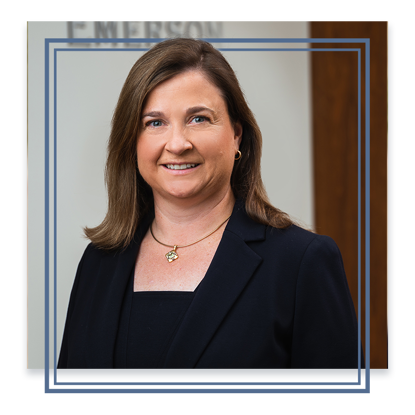
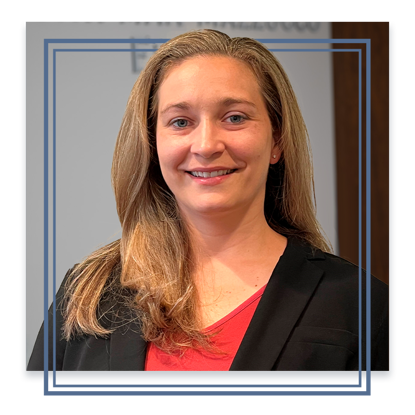
Meet Our Trusts Attorneys
Walking With Our Clients Every Step of the Way






Delivering High-Quality Legal Services
-
Tailored Legal SolutionsWe strive to find the optimal solution for each unique situation. We are well aware of conventional approaches, but we also think outside the box.
-
Highly Competent Legal Guidance
We will analyze your situation thoughtfully and investigate the relevant law thoroughly to devise a creative solution, customized for your situation.
-
Responsive and Accessible
We pride ourselves on responding promptly to every inquiry as we recognize that your time is valuable and that your needs are immediate.
-
Deep Bench of AttorneysAt our firm, our attorneys have over 100 years of combined experience, each able to bring their unique knowledge and skillset to your case.

.2204190953550.jpg)