Inheritance Attorney in Fairfield County
Coordinated Inheritance Guidance Backed by More Than 40 Years of Combined Experience
An inheritance may involve a home, financial accounts, retirement assets, debts, or closely held business interests. How each asset passes can depend on a will, trust, beneficiary designation, survivorship arrangement, or Connecticut intestacy rules. We help individuals and families identify the documents, ownership details, and legal questions that need attention before they act.
At Chipman Mazzucco Emerson LLC, our inheritance attorneys in Fairfield County draw on more than 40 years of combined experience in estate planning, probate, elder law, real estate, and business law to address connected inheritance questions. We explain how those areas intersect, so you can make informed decisions about the assets involved.
With offices in Danbury, Southbury, and Westport, we serve clients across Fairfield County and Western Connecticut. Whether you’re planning how your property should pass or handling an estate after a death, we can help you organize the issues and determine your next steps.
To discuss your inheritance questions with our attorneys, contact us or call (203) 902-4882.
Inheritance Planning & Estate Administration Services
Inheritance issues touch more than documents and dollar amounts. They affect family relationships, long-term goals, and how you want your legacy to be remembered. We take time to understand that full picture, then develop strategies that fit your circumstances instead of forcing you into a standard template. Our goal is to help you make informed decisions that reflect your priorities and address potential sources of conflict.
We assist clients who are planning their own estates and those who are responsible for carrying out a loved one’s wishes. For planners, we help structure wills, trusts, and beneficiary designations so that the documents and transfer instructions reflect their goals. For executors, trustees, beneficiaries, and family members, we provide guidance on interpreting documents, fulfilling legal duties, and addressing inheritance questions.
Many inheritance questions involve more than a simple bank account. There may be investment portfolios, retirement plans, real estate in different towns, or a closely held business. Because our firm handles estate planning, probate, elder law, real estate, and business law, we can examine how each asset fits into the overall plan.
What to Organize Before Making Inheritance Decisions
If you’re facing an inheritance issue, you may not know where to begin. Some clients come to us after a loved one passes away, while others reach out when they realize their own affairs aren’t yet in order. In both situations, we focus on turning uncertainty into a clear series of manageable steps.
When a family member dies, there are practical tasks and legal requirements to consider. You might have a will, trust, or only verbal instructions. You might be named as executor, or you may be a beneficiary who wants to understand your rights. We help you determine which documents may control, whether Connecticut Probate Court involvement may be necessary, and which decisions require prompt attention.
For those who want to plan, questions often center on fairness among children, remarriage, business ownership, or how to provide for a vulnerable beneficiary. We discuss your goals, review any existing plan, and identify where documents, asset titles, or beneficiary designations may not match what you intend. You don’t need to arrive with every detail resolved. Part of our work is to help you think through options you may not have considered.
If you’re unsure where to start, use the information available to you:
- Gather key documents such as any will, trust, deeds, account statements, and beneficiary forms.
- Make a simple list of assets and debts, even if the information is incomplete.
- Note important family circumstances, including second marriages or family members who may need special consideration.
- Identify whether you’re acting as an executor, trustee, beneficiary, or person creating an estate plan.
- Contact our firm so we can review this information with you and outline a plan tailored to your situation.
When you work with us, we help you distinguish decisions that may require immediate attention from matters that can be addressed later, based on the available documents and your family’s circumstances.
Understanding Connecticut Inheritance Law
Connecticut inheritance law can seem technical, but a few core ideas help many families understand the process. In general, assets may pass according to a valid will, beneficiary designations, trusts, survivorship arrangements, or the state’s intestacy rules. Intestacy refers to the laws that determine who receives probate assets when no valid will governs them. Our role is to help you see how these pieces fit together in your particular situation.
When a person dies owning assets in their name alone, their estate may need to be handled through estate administration in the Connecticut Probate Court system.
Not every asset passes through probate. Life insurance, retirement accounts, and some bank or investment accounts can transfer directly to named beneficiaries. Property held with survivorship rights may pass to the surviving owner. These rules can create unexpected results if beneficiary forms are outdated or don’t align with what a will says. We help clients determine how the governing documents and ownership arrangements apply to the assets involved.
Coordinated Inheritance Guidance in Fairfield County
When you choose our firm to help with inheritance matters, you’re trusting us with family history, financial information, and often deeply personal goals. We take that responsibility seriously. Our approach is to treat every client as a partner, listening carefully so we understand what you want to accomplish and what you hope to avoid.
Our inheritance attorneys in Fairfield County bring more than 40 years of combined experience to estate planning, probate, and related legal matters in Connecticut. Experience matters because no two families, estate plans, or asset structures look the same. We review the documents, property interests, and family circumstances involved so we can identify legal questions and develop a tailored strategy.
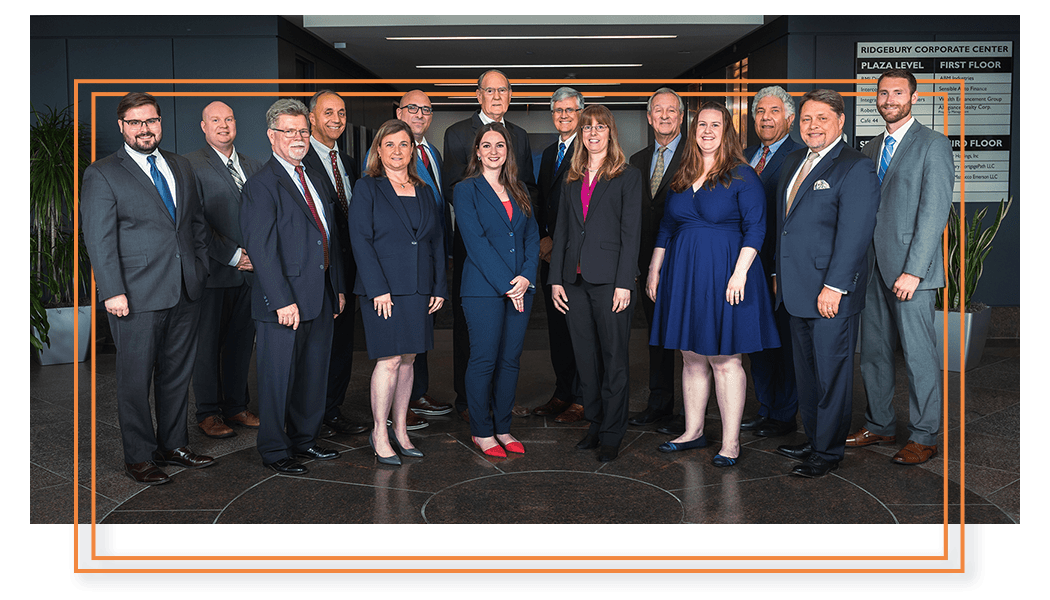
We also offer a multigenerational perspective. Our attorneys span different age groups, which allows us to relate to older clients who are planning their estates and to younger beneficiaries who are receiving assets. We can communicate with the people involved while remaining focused on each client’s legal objectives and responsibilities.
Our recognition by Best Law Firms, ranked by Best Lawyers, reflects our commitment to diligent, thoughtful legal work. We also prioritize accessibility, clear explanations, and strategies that can adapt as circumstances change. Because our firm handles business law, real estate, litigation, and elder law, we can coordinate related inheritance issues without treating each asset or question in isolation.
Working with Our Inheritance Lawyers
In an initial consultation, we typically discuss your goals, review any available documents, and talk through the key facts about your family and assets. From there, we outline options and help you understand the implications of different choices.
If you decide to work with us, we tailor our approach to your needs. Planning-focused clients may work with us to prepare or update wills, trusts, and related documents, while those handling an estate may receive guidance about probate filings, communication with interested parties, and coordination with other professionals. Throughout, we keep you informed so you know what to expect at each stage.
We maintain offices in Danbury, Southbury, and Westport and serve families throughout Fairfield County and Western Connecticut. When a probate matter is involved, we identify the appropriate court and evaluate the procedures and requirements that apply to the estate. The scope and timing of our work depend on the governing documents, assets, family circumstances, and any disputes that may arise.
If you’re looking for an inheritance lawyer in Fairfield County, we invite you to contact us. You don’t need to have every detail figured out before you call. A conversation with our team can help you understand your options and decide which issues to address first.
Frequently Asked Questions
How Long Does Inheritance & Probate Usually Take?
The time required varies based on the size of the estate, the types of assets involved, tax or creditor issues, court requirements, and whether there are disagreements. Many estates take several months or longer from opening to final distribution. We explain the anticipated stages based on the estate’s circumstances and keep you updated as the matter progresses.
Can You Help If My Family Disagrees About the Inheritance?
We work with families where there are questions or disagreements about what a will or trust means or how an estate is being handled. Our role is to explain the legal framework, outline available options, and help clients consider practical ways to address conflict while respecting rights and fiduciary obligations under Connecticut law.
Do I Need a Local Attorney for Fairfield County Probate?
Legal counsel isn’t required for every Connecticut probate matter, but assistance may be valuable when an estate includes unusual or substantial assets, tax questions, fiduciary concerns, or disputes. Fairfield County includes multiple probate districts, and the appropriate court depends on the matter rather than the county label alone. We can identify the relevant court and explain the procedures that apply.